When it comes to purchasing a trailer, the myriad of options available can make the decision-making process overwhelming. Whether you’re looking to haul heavy equipment, transport livestock, or embark on a cross-country move, selecting the right trailer is crucial. This comprehensive guide will help you navigate through the key considerations to ensure you choose a trailer that perfectly suits your needs.
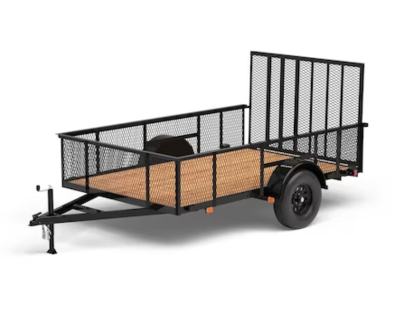
There are several types of trailers, each designed for different purposes. Here’s a breakdown of the most common types:
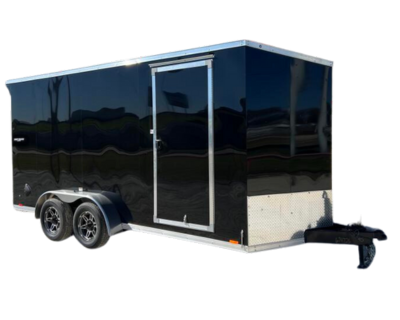
Cargo trailers, also known as enclosed trailers, provide protection against weather and theft. They are ideal for transporting valuable or sensitive items. Businesses that frequently move goods, such as furniture companies or moving services, often rely on cargo trailers. They can also be customized with shelves and other storage solutions to optimize space.
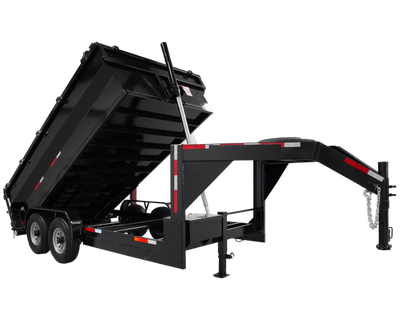
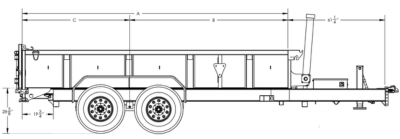
Dump trailers are equipped with hydraulic lifts that allow for easy unloading of heavy materials like gravel, sand, or construction debris. This makes them indispensable for contractors and landscapers. The hydraulic mechanism saves time and labor, reducing the physical strain on workers.
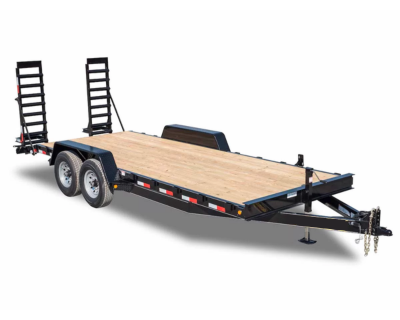
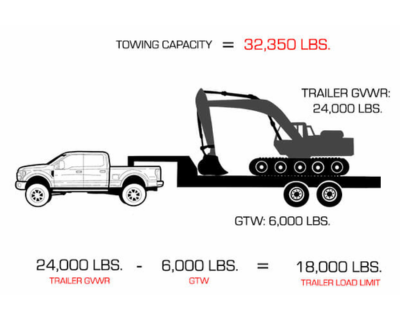
Equipment trailers are designed to carry heavy machinery. They often feature multiple axles to distribute weight evenly and ramps or tilt beds for easy loading and unloading. These trailers are essential for construction companies, farms, and any business that needs to transport large equipment.
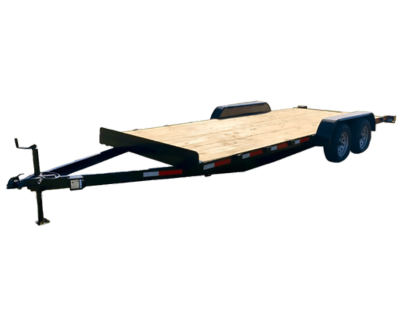
Car haulers, also known as car trailers, are designed to transport vehicles. They come with ramps or tilt beds for easy loading and tie-down points to secure the vehicle during transit. These trailers are commonly used by auto dealerships, car collectors, and racing enthusiasts.
Once you’ve identified the type of trailer you need, consider the following features to ensure it meets your specific requirements:
Once you’ve identified the type of trailer you need, consider the following features to ensure it meets your specific requirements:
While new trailers come with warranties and the latest features, used trailers can offer significant cost savings. Ensure used trailers are thoroughly inspected for wear and tear. Look for signs of rust, structural damage, and ensure all components are in working order.
Determine your budget early on and stick to it. Remember to factor in additional costs such as taxes, registration, and maintenance. While it may be tempting to buy the cheapest option, investing in a quality trailer can save you money in the long run by reducing repair costs and extending the trailer’s lifespan.
Customer reviews and testimonials can provide valuable insights into the performance and reliability of different trailer models. Look for feedback on the durability, ease of use, and customer service of the manufacturer.
Don’t hesitate to seek advice from professionals or experienced trailer owners. They can offer practical tips and recommendations based on real-world usage. Visiting trailer dealerships and asking questions can also help you make an informed decision.
Choosing the right trailer requires careful consideration of your specific needs, thorough research, and attention to key features and maintenance requirements. By following this guide, you’ll be well-equipped to select a trailer that meets your requirements and provides reliable service for years to come.
Remember, investing time in choosing the right trailer will pay off in the long run, ensuring you have a dependable and efficient tool for all your hauling needs.